
Articles
Superfoods, Explained (Without the Hype)
By Leanne & Tashan · Published
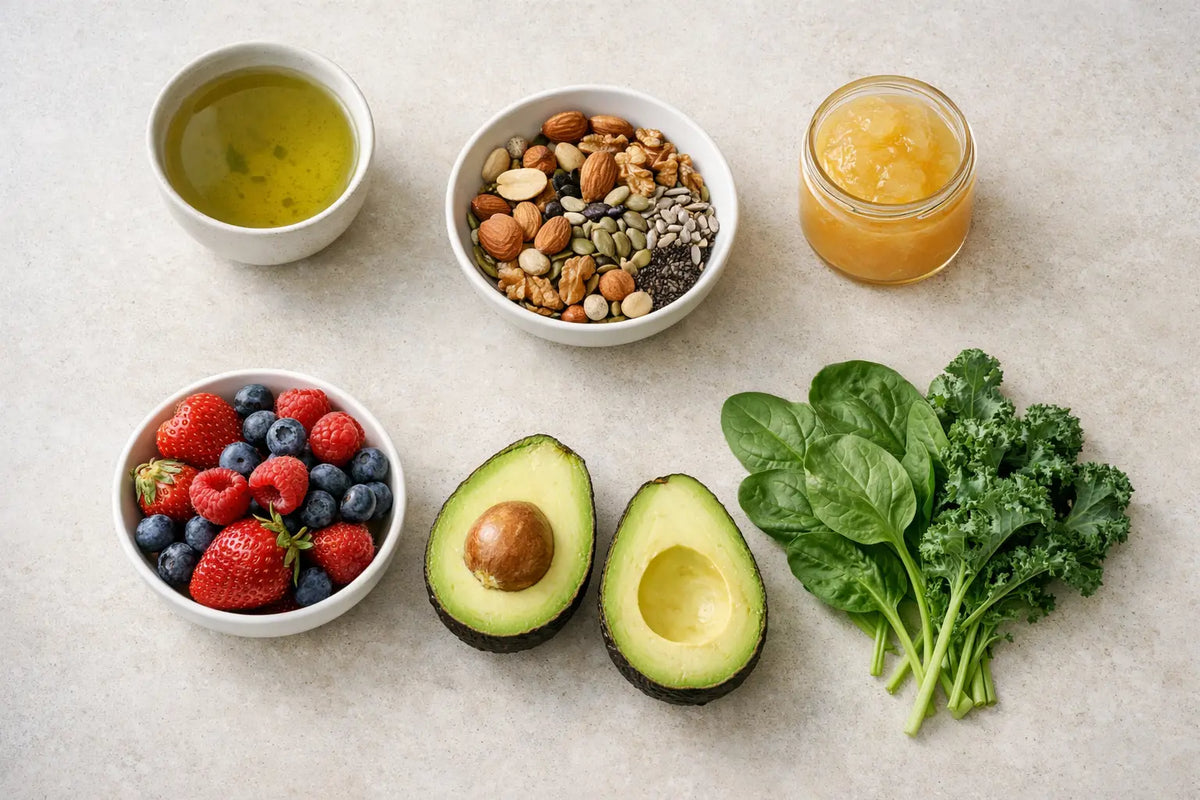
“Superfood” is one of those words you see everywhere — on packaging, on social media, and usually next to a smoothie bowl that costs the same as a bus pass.
Here’s the truth:
“Superfood” isn’t a scientific category.
It’s a marketing term. There is no legal definition of it, no official list, and no standard a food has to meet before someone puts the word on a label. It is a word chosen by whoever is selling the food.
That doesn’t mean the foods themselves are fake.
It just means the label isn’t regulated, and no single food is a magic shortcut.
What matters most is this:
A superfood can be part of a healthy lifestyle — but it can’t replace one.
What people usually mean by “superfood”
When people use the word, they are usually describing a food that is:
- Whole and minimally processed
- Widely used in wellness routines
- Talked about a lot online, and often priced accordingly
That’s it.
Not “cures everything.”
Not “detoxes your whole life.”
Just… a food that has caught the culture’s attention.
It is worth being clear about why we are not going to tell you what any of these foods contain or what they do. In Great Britain, claims about nutrient content and about health are regulated. A brand can only say a food is a source of something if it has the analysis to prove it, and can only make a health claim if that exact claim is authorised on the GB Nutrition & Health Claims Register. A lot of superfood content online ignores both rules. We would rather just describe the food.
Examples of foods commonly called “superfoods”
Below are some of the most common ones you’ll hear about — and what they are actually like to cook and eat.

1) Berries
Blueberries, strawberries, raspberries — sweet, sharp and easy to eat by the handful, frozen or fresh, on porridge or in a smoothie.
2) Leafy greens
Spinach, kale, Swiss chard — cheap, quick to wilt into almost anything, and easy to add to meals you already make.
3) Nuts and seeds
Almonds, walnuts, chia seeds, flaxseed — crunchy, filling, and useful for adding texture to breakfasts and salads.
4) Fatty fish
Salmon, sardines, mackerel — rich, savoury and quick to cook. Tinned versions are inexpensive and keep in the cupboard.
5) Whole grains
Oats, brown rice, quinoa — the base of a satisfying meal, and forgiving to cook in batches.
6) Legumes
Lentils, chickpeas, beans — a cheap, hearty way to bulk out soups, stews and salads.
7) Cruciferous vegetables
Broccoli, cauliflower, Brussels sprouts — versatile and very good roasted, which suits people who think they dislike them.
8) Turmeric
A bright yellow spice with an earthy, slightly bitter flavour, used in curries, rice dishes and warm drinks.
9) Green tea
Grassy and light, and a pleasant alternative to sugary drinks.
10) Greek yogurt
Thick and tangy, and works well as a base for breakfast bowls and smoothies.
11) Seaweed (including sea moss)
Sea vegetables have a mild, briny taste. Sea moss in particular is used as a gel, which is close to flavourless and blends into drinks and porridge without changing them much. If you are curious, we have written in more detail about what sea moss actually tastes like, and about how it compares with shilajit — another ingredient that attracts the superfood label.
12) Avocado
Creamy and mild, and it makes a meal feel more substantial.
So… does “superfood” actually matter?
It can — if you use it the right way.
A “superfood” is best seen as:
a helpful ingredient you can add consistently, not a miracle solution you take once.
The real win is building a routine that you can stick to — whether that’s:
- adding more whole foods to breakfast
- swapping ultra-processed snacks for whole foods
- or finding one ingredient that makes your routine easier

A simple way to think about it
If the food is:
- real,
- something you actually enjoy,
- and helps you eat better overall…
…it’s doing the job. The word on the packet is not what makes the difference.
You don’t need perfect.
You just need consistent.
Medical disclaimer
This article is for general information only and is not medical advice. If you have dietary requirements or health concerns, please check ingredients and speak to a qualified professional before making changes to your diet.